
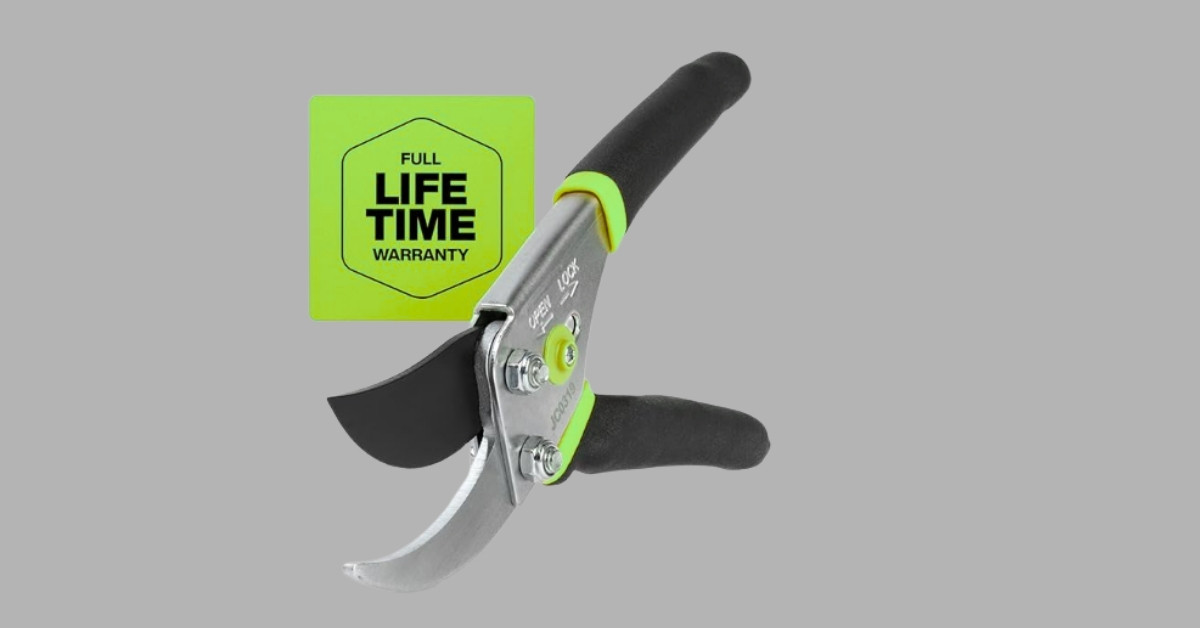
When I first started using a bypass pruner, I realized how much easier it made caring for my garden. With two sharp blades that glide past each other like scissors, a bypass pruner gives clean cuts that keep plants healthy. I’ve trimmed roses, shrubs, and even young fruit trees with them, and the difference compared to dull garden clippers or heavy pruning shears was night and day. In this guide, I’ll break down what makes bypass pruners special, how they compare to other pruning tools, and why brands like Fiskars have earned a trusted spot in U.S. gardens. If you’re looking for the right tool to shape your plants without strain, this is the place to start.

Table of Contents
What is a Bypass Pruner?
A bypass pruner is a hand tool with two blades that slide past each other to make clean cuts on live plants. It works like gardening scissors, where the sharp blade moves past the hook blade, giving smooth cuts that heal quickly. This makes it the best choice for trimming green branches and soft shrubs without crushing the stems.
Gardeners often use bypass pruners for roses, herbs, and new shoots because they cut cleanly instead of tearing. Unlike an anvil pruner, which closes against a flat base and suits dry wood, a bypass pruner is designed for live plants. That’s why many gardeners keep both tools but reach for bypass pruners when shaping healthy plants.
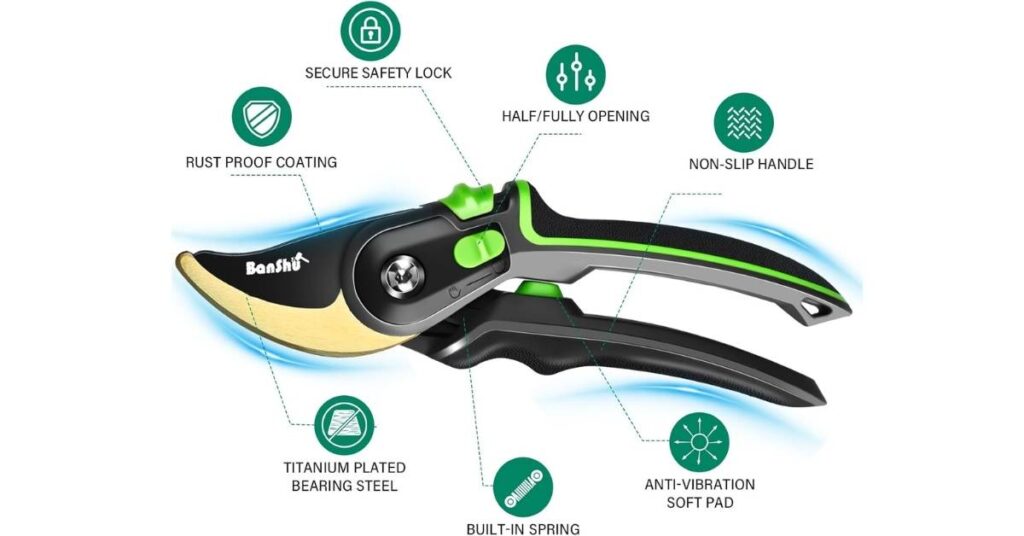
Most quality models list a 5/8-inch cut capacity, which covers most flowers and shrubs in a home garden. Look for features like a rust resistant steel blade for longer use and ergonomic grips that reduce hand strain. Popular brands such as Fiskars make bypass pruners that combine sharp steel with comfortable handles, so you get precise cuts with less effort.
Bypass Pruner vs Other Pruning Tools
Bypass Pruner vs Garden Pruner
A garden pruner is a broad term that covers many types of hand pruning tools. A bypass pruner is one of them, designed with two blades that glide past each other. This makes bypass pruners the better choice for cutting live branches, flowers, and shrubs cleanly.
Bypass Pruner vs Pruner
“Pruner” is a general word that could mean bypass, anvil, or even ratchet types. A bypass pruner is specific: it’s made for green, living stems where a clean cut matters. If you’re shaping roses or shrubs, a bypass pruner is the right pick because it cuts without crushing.
Bypass Pruner vs Forged Pruner
A forged pruner is built from heavy-duty steel for strength and power. It’s best for thick, woody branches and tougher garden jobs. A bypass pruner, on the other hand, is lighter and more precise, perfect for delicate stems and shrubs where clean healing is key.
Bypass Pruner vs Anvil Pruner
An anvil pruner has one sharp blade that closes against a flat surface, which works well for dead or dry wood. A bypass pruner uses two blades that pass each other, giving smooth cuts on live plants. Gardeners often keep both, but when it comes to roses or fresh shrubs, bypass pruners are the go-to choice.
👉🏿👉🏻 Check Latest Price and Offer at Amazon 👈🏻👈🏿
Why Choose Fiskars Bypass Pruning Shears?
Fiskars is one of those names you see in almost every U.S. garden shed, and there’s a reason for it. The brand has built trust over decades, offering tools that balance price, comfort, and durability. You can pick up Fiskars Bypass Pruning Shears at Amazon, Home Depot, or Costco without worrying about quality. They’ve become a go-to option for everyday gardeners who want reliable pruning shears at a fair price.
One feature that sets Fiskars apart is the rust resistant steel blade. It stays sharp through heavy use and wipes clean easily, even after cutting sticky rose canes. The 5/8-inch cut capacity is another highlight—it’s the sweet spot for trimming shrubs, flowers, and smaller fruit branches. If you’ve ever tried to push dull garden clippers through a stem, you’ll feel the difference the first time you use Fiskars. Clean cuts heal faster, and your plants stay healthier.
Comfort is another big win. Fiskars pruners come with ergonomic grips that reduce hand strain, which is a game changer if you prune for long stretches. I’ve spent whole afternoons shaping shrubs, and my hands didn’t ache the way they did with older, bulkier pruning shears. Some models, like the Fiskars professional bypass pruning shears, are even designed with arthritis-friendly handles, making them accessible for more gardeners.
In my own backyard, I’ve used these shears to trim roses without crushing the stems. That’s where they shine—delicate cuts with very little effort. When you add up the trusted brand name, smart features, and wide availability, Fiskars Bypass Pruning Shears stand out as one of the best choices for gardeners across the U.S.
Would you like me to continue this same style for the Key Features That Make a Difference section, with separate subheadings for each feature (blade, cut capacity, ergonomics)?
Key Features That Make a Difference
Rust Resistant Steel Blade — Bypass Pruner
The rust resistant steel blade on a bypass pruner keeps a sharp edge and wipes clean after sticky cuts. A light oil on the blade and pivot helps stop spots and slows wear. Clean steel makes smoother cuts that heal well. Clean steel equals clean cuts on live plants.
On my Fiskars bypass pruning shears, the blade sheds sap and slides like good gardening scissors. A quick wipe mid-session keeps garden clippers from gumming up. Sharp steel + simple blade care = fewer snags. Sharp steel and simple care keep cuts smooth.
5/8-Inch Cut Capacity — Bypass Pruner
Most yard jobs sit at or under a 5/8-inch cut, which fits roses, perennials, and soft shrub wood. Stay within that size and the tool glides without crushing stems. Use loppers or a folding saw for thicker limbs. Use 5/8-inch for green stems and grab bigger tools for big branches.
I use my bypass pruner for fresh shoots and small branches on hydrangeas and berry canes. One squeeze near the blade base gives a clean slice that heals fast. Right size cuts protect both plant and blade. Right size cuts protect plants and extend blade life.
Ergonomic Design & Grip — Bypass Pruner
An ergonomic handle spreads pressure so hands stay fresh on longer trims. Soft, non-slip grips keep control when dew or sap makes things slick. This helps if you have wrist pain or light arthritis. A comfy grip means longer, safer pruning with less strain.
My Fiskars feels steady, like a natural extension of my hand rather than a tool. That control helps place precise bud cuts on shrubs and flowers. Less force, more accuracy, better results. Less force and more control make precise pruning easy.

👉🏿👉🏻 Check Latest Price and Offer at Amazon 👈🏻👈🏿
Real-World Uses in the Garden
I reach for my bypass pruner first in rose season. Fresh canes slice clean with one squeeze near the blade base. Cuts stay smooth and dry fast. Clean cuts on live branches keep roses healthy.
Hydrangeas need soft, neat trims. I take spent blooms and weak shoots under the 5/8-inch cut capacity. The stems don’t mash or tear. Use a bypass pruner for green stems up to 5/8 inch.
Fruit shrubs like blueberry and raspberry get light thinning. I remove crossed branches and weak tips so light can reach the core. New growth pops back fast after clean cuts. Clean cuts help shrubs bounce back.
In my vegetable garden, I snip tomato suckers and pepper stems with gardening scissors style moves. The small, sharp nose makes tight work easy. Plants stay tidy and heal well. Small, precise cuts keep veggies productive.
For houseplants, I shape pothos, herbs, and rubber plant shoots. The sharp, rust resistant steel blade leaves a neat node cut for quick rooting. I wipe the blade between plants. Neat node cuts root faster and stay clean.
Shrub shaping goes smoother with a steady grip. My Fiskars pruning shears feel like an extension of my hand. I guide the tip to a bud and clip at a slight angle. A steady hand makes accurate, gentle cuts.
When stems are sticky, I pause and wipe the sap groove. The blade coating sheds gunk so the tool keeps sliding. A drop of oil on the pivot helps. Quick wipe, quick oil, smooth action all day.
If a limb is older or past the rating, I swap tools. Garden clippers handle light jobs; loppers or a saw handle thick wood. That saves the edge and my wrist. Match the tool to the branch for safer work.

Reviews and Popular Choices
Quick take: start with trusted names, then match the tool to the job. This keeps cuts clean and hands fresh. Pick on build, blade, and branch size first.
Fiskars PowerGear bypass pruner — smooth, light squeeze with extra torque. The geared action saves grip on shrubs and roses. Best pick for all-day yard work. Gear boost = less hand strain.
Felco bypass pruner (F2 or F6) — pro feel, rebuildable parts, crisp cuts. The F6 fits smaller hands; the F2 suits average hands. Pay more, keep it for years. Pro build pays back in life span.
ARS bypass pruner — razor-sharp Japanese steel and tight tolerances. Cuts feel like slicing a grape skin. Great for fine shaping and flower work. Sharp steel gives surgical cuts.
Forged bypass pruners — heavy duty bodies for woody branches. Extra weight adds bite on old growth. Not my choice for light flowers. Forged frames suit tough shrubs.
Titanium-coated blades — slick finish that sheds sap and slows wear. Helpful in sticky rose season. Edge care is still key. Coated steel stays smoother under sap.
Scotts electric bypass pruner — battery help for tired hands. Tap the trigger and let the motor finish the cut. Good for big pruning days. Light squeeze, motor does the work.
Ryobi electric pruner — pairs well with 18V shop tools in the U.S. It’s handy for hedges and small fruit wood. Heavier than manual, so pace your cuts. Battery systems add convenience.
Wilkinson Sword / Stanley / Zenport — solid mid-range options with sane prices. Good for backups or shared tools. Check grip size before you buy. Mid-price tools cover casual use.
Telescopic and pole pruners — reach tall shrubs or small tree limbs without a ladder. Great for light green wood up high. Keep within the head’s cut limit. Long reach adds safety from the ground.
What I read in bypass pruner reviews — users praise clean cuts and comfort first. Complaints focus on gummed blades or stiff locks. Care and fit fix most issues. Proper care keeps action smooth.
Performance: Bypass Pruner
Clean cuts on live wood with low crush. Match model to branch size and you’ll feel the glide. Performance stays high with sharp steel. Performance: Bypass Pruner.
Ease of Use: Bypass Pruner
Ergo grips, geared pivots, and light bodies help hands last. Electric models reduce squeeze effort. Fit to hand size matters most. Ease of Use: Bypass Pruner.
Value for Money: Bypass Pruner
Fiskars leads for budget value; Felco and ARS win on long life. Electric saves wrists on big jobs. Buy once, maintain often. Value for Money: Bypass Pruner.
Overall: Bypass Pruner
For U.S. gardens, start with Fiskars PowerGear, step up to Felco or ARS for pro work, and add Scotts or Ryobi if you want battery help. The right match keeps plants and hands happy. Overall: Bypass Pruner.
👉🏿👉🏻 Check Latest Price and Offer at Amazon 👈🏻👈🏿
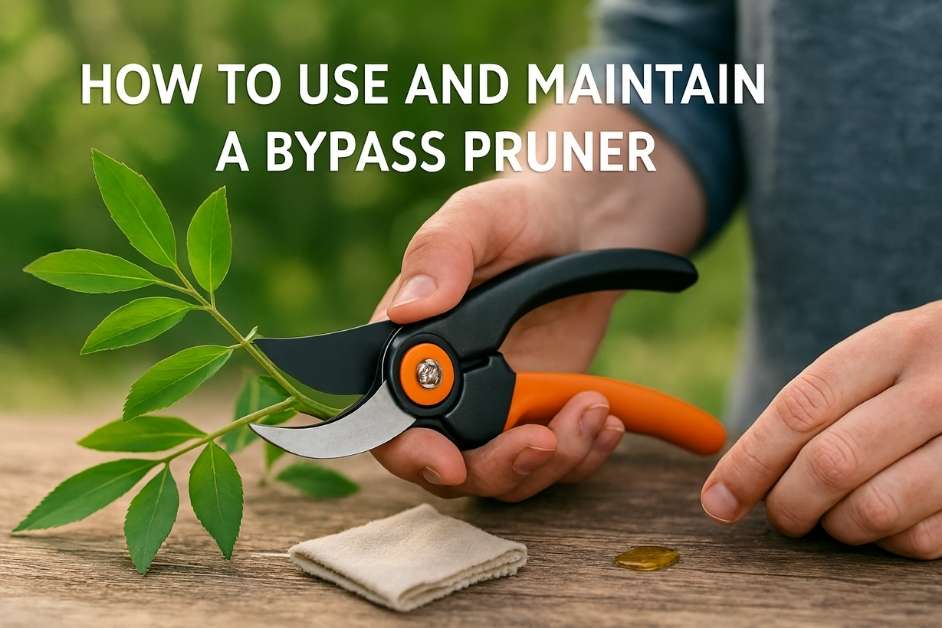
How to Use and Maintain a Bypass Pruner
Start clean
Wipe the blades as you work to clear sap and grit. A quick rub with alcohol keeps disease from spreading between branches and shrubs. Dry before locking the tool. Clean blades make clean cuts that heal fast.
Mind the cut size
Stay within the 5/8-inch cut capacity for live wood. Use loppers or a folding saw for thicker limbs to protect the edge. This keeps pruning shears sharp and your hands fresh. Right tool, right branch, better results.
Use the strong spot
Place stems near the blade base for the most power. Close in one smooth squeeze rather than chewing at the stem. Angle just above a bud to guide new growth. One clean move gives the best plant response.
Keep the pivot smooth
Add a drop of light oil to the joint after a session. Open and close a few times to work it in. If the blades feel loose, snug the pivot screw a touch. Smooth pivots mean smoother cuts and less strain.
Sharpen with light strokes
Use a fine diamond file and match the factory bevel. Two to four passes from heel to tip are enough. Do a single pass on the back to remove the burr. Short, gentle strokes keep edges true.
Protect the steel
Your rust resistant steel blade still likes care. Wipe dry, then add a thin film of oil before storage. This stops spots and keeps action slick. Thin oil, long life.
Disinfect between plants
If you cut a sick stem, pause and wipe with alcohol. Let it air dry for a few seconds. Resume only when the blade is dry. Quick wipes help stop spread.
Store smart
Lock the garden clippers, then hang in a dry shed or clip into a holster. Keep off damp soil and away from sprinklers. Toss a silica pack in the caddy if it’s humid. Dry, locked, and off the ground is best.
Seasonal deep care
At season’s end, clean, sharpen, oil, and check the spring. Replace worn parts on brands like Fiskars or Felco as needed. Label the sheath so it’s easy to grab next year. Ten minutes now saves tools later.
Safety makes work easier
Wear snug gloves and eye protection for spring thorns. Cut with your wrist straight and your stance balanced. Keep kids and pets clear of the work zone. Safe habits make better cuts.
Answer-first takeaway
Clean, sharpen, oil, and store your bypass pruner after each use to keep cuts smooth and blades sharp. Small habits add up to healthy plants and longer tool life.
Performance: Bypass Pruner
Sharp, rust resistant steel and smooth pivots give crisp cuts on live wood within rating. Care keeps action tight and edges keen. Performance: Bypass Pruner.
Ease of Use: Bypass Pruner
Ergonomic grips and a well-oiled joint reduce squeeze force and fatigue. One clean squeeze beats many small nips. Ease of Use: Bypass Pruner.
Value for Money: Bypass Pruner
Basic oil, alcohol, and a file extend blade life and delay replacements. Maintain often and buy parts instead of new tools. Value for Money: Bypass Pruner.
Overall: Bypass Pruner
Use within 5/8-inch, keep blades clean, and store dry, and your gardening scissors will serve for years. Simple care delivers pro results. Overall: Bypass Pruner.

Where to Buy Bypass Pruners in the U.S.
Amazon — wide range, quick ship
I buy a bypass pruner on Amazon when I need choice and speed. You’ll find Fiskars, Felco, ARS, and mid-range garden clippers in one place. Prime ship and easy returns help. Fast pick, big range, fair price.
Home Depot — same-day pickup
If I want a tool now, I check Home Depot online and choose store pickup. You can handle pruning shears in person to test the grip. Look for promos on Fiskars all steel bypass pruning shears. Quick pickup, real feel, good deals.
Costco — seasonal value packs
Costco stocks Fiskars sets in spring, often with gloves or a spare tool. The bundle price can beat single buys. Inventory varies by club, so check the app. Seasonal bundles give strong value.
Local garden centers — fit and advice
A small shop lets you test the lock, spring, and handle size. Staff can match tools to your branches and shrubs and suggest care. I learn a lot in five minutes. Hands-on fit leads to better cuts.
What I compare before I buy
I check a 5/8-inch cut rating, a rust resistant steel blade, and an easy lock. I also note warranty and parts support. Fiskars and Felco both score well here. Specs plus support make the buy safe.
Quick take for U.S. buyers
Order from Amazon for choice, use Home Depot for today, and scan Costco for spring sets. Local shops help with fit and tips. Match the store to your need and budget.
Performance: Bypass Pruner
Buying from a store with fresh stock and parts support keeps cuts crisp on day one. Good channels back strong tools. Performance: Bypass Pruner.
Ease of Use: Bypass Pruner
Home pickup and clear return paths make the buy stress free. In-hand tests at stores add confidence. Ease of Use: Bypass Pruner.
Value for Money: Bypass Pruner
Costco bundles, Amazon sales, and Home Depot promos stretch dollars. Parts and warranty extend tool life. Value for Money: Bypass Pruner.
Overall: Bypass Pruner
For most U.S. yards, shop Amazon for range, grab Home Depot for speed, and scan Costco for bundles. Local advice fine-tunes the pick. Overall: Bypass Pruner.
Final Thoughts – Are Bypass Pruners Worth It?
Yes—a bypass pruner is the best pick for live plants and clean, quick healing cuts. Two passing blades act like gardening scissors, so stems don’t crush. Your roses, shrubs, and veggie vines stay healthy. Clean cuts on live branches make the tool worth it.
For beginners, Fiskars bypass pruning shears are a safe, low-cost start. You get a rust resistant steel blade, a 5/8-inch cut capacity, and a comfy grip. They’re easy to find at Amazon, Home Depot, and Costco. Easy buy, easy care, clean cuts.
For heavy use, I reach for Felco or ARS. Parts are rebuildable, edges stay sharp, and the action feels tight. They cost more but last for years with simple blade care. Pay once, prune for seasons.
If your hands get tired, look at Scotts or Ryobi electric pruners. The motor helps finish the squeeze on thick shrub tips. Keep them for big pruning days and stick to manual shears for fine work. Power help saves wrists on long sessions.
Keep an anvil pruner for dead or dry wood, but use a bypass pruner for green growth. Match the tool to the job to protect garden clippers and plants. Stay under the 5/8-inch rating for best results. Right tool, right branch, smooth cuts.
Performance: Bypass Pruner
Clean cuts on live wood with low crush; great for roses, shrubs, and fresh shoots. Stay within 5/8-inch and the glide feels smooth. Performance: Bypass Pruner.
Ease of Use: Bypass Pruner
Ergo grips and light bodies reduce strain; geared or electric models cut effort more. Good fit in the hand matters most. Ease of Use: Bypass Pruner.
Value for Money: Bypass Pruner
Fiskars wins for budget; Felco and ARS win for long life and parts. Routine oil and quick wipes stretch every dollar. Value for Money: Bypass Pruner.
Overall: Bypass Pruner
Start with Fiskars for daily yard care, step up to Felco/ARS for pro feel, add Scotts/Ryobi if you want battery help. For U.S. gardens, this mix keeps plants neat and hands fresh. Overall: Bypass Pruner.
FAQs for Bypass Pruners
What is the difference between pruning shears and bypass shears?
Answer: Pruning shears is the broad group of hand cutters. A bypass pruner is a type with two blades that pass like scissors for live stems. Use anvil shears on dry wood; use bypass for green growth.
Can a bypass pruner cut thick branches?
Answer: A bypass pruner shines on live stems up to 5/8 inch. For thicker limbs, switch to loppers or a pruning saw. For lots of hard cuts, try forged frames or an electric pruner to spare your hands.
Are Fiskars bypass pruners worth it?
Answer: Yes. Fiskars bypass pruning shears offer rust resistant steel, comfy grips, and a 5/8-inch rating at a fair price. Easy to find on Amazon, Home Depot, and Costco. Great value for U.S. home gardens.
Which is better, anvil pruner or bypass pruner?
Answer: For live, green stems, choose a bypass pruner for clean cuts. For dead or dry wood, choose an anvil pruner for power. Many gardeners keep both to match branch condition and size.
What size branches can bypass pruners cut?
Answer: Most pruning shears in the bypass style cut up to 5/8 inch cleanly. Place the stem near the blade base for max power. For older, hard wood, step up to loppers or a small pruning saw.
Read More: Fiskars Bypass Pruning Shears
Related Post:
Bypass Pruner vs Garden Pruner

Leave a Reply